







24/7 storm & emergency response24/7 emergency tree service

Google rating, out of 5: 5.0 87 Google reviews
Veteran Owned & Operated · Houma, Louisiana Call 985-688-4041
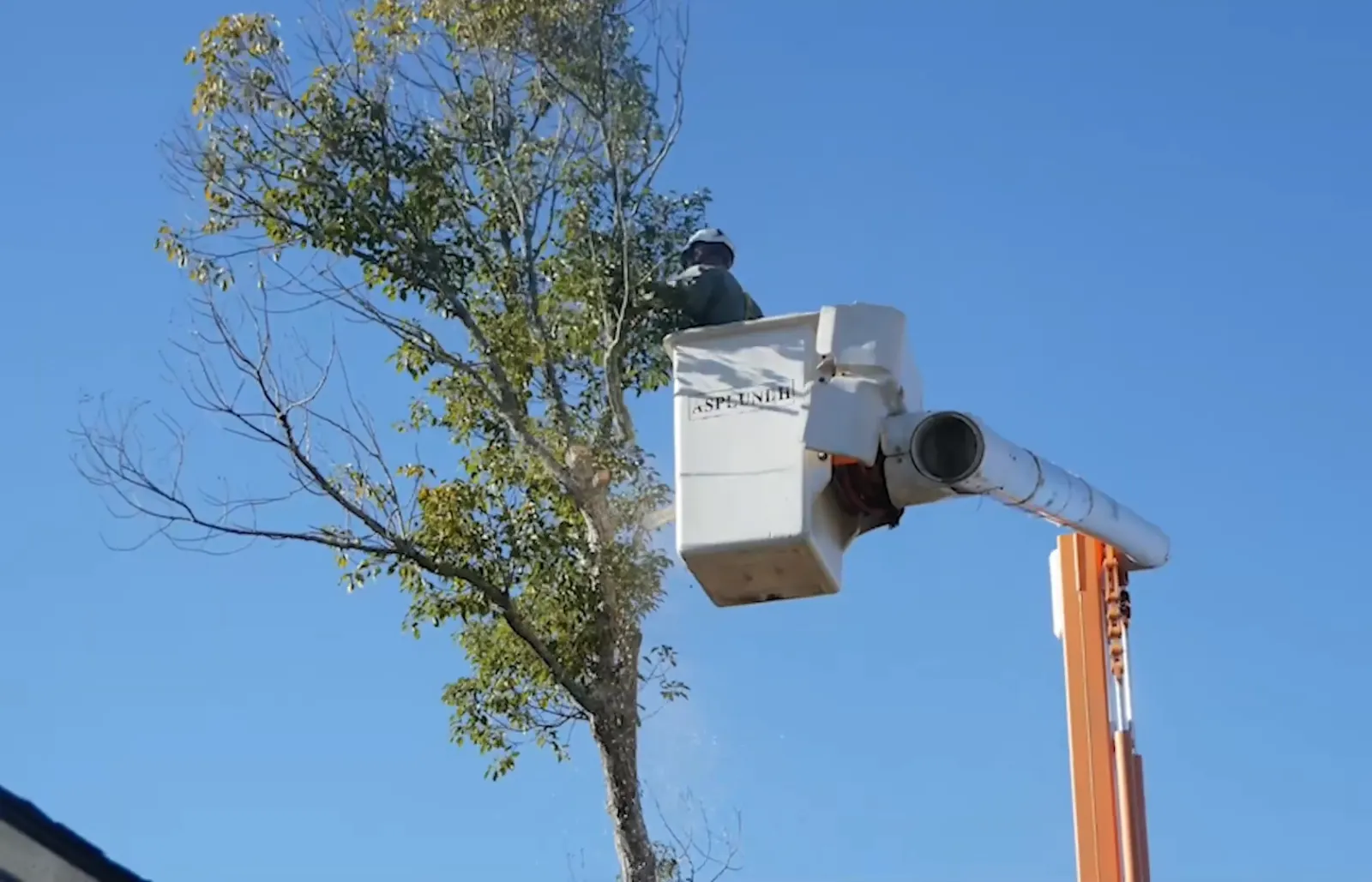
Bucket truck working in a tree canopy

Commercial & Institutional

Commercial & Government Tree Care

Professional documentation, safety discipline, project coordination and arborist-led decisions for commercial, municipal, industrial, contractor and government clients.

Past Performance Louisiana’s Leaders & Industry
  • Bayer
  • State of Louisiana sealGovernor of Louisiana
  • Terrebonne Parish Sheriff’s Office badgeTerrebonne Parish Sheriff
  • Barriere Construction
  • Louisiana State Senate sealLouisiana State Senate
  • Lafourche Parish Sheriff’s Office badgeLafourche Parish Sheriff
  • Terrebonne Parish flagTerrebonne Parish District Attorney

Past performanceIndustrial

Global life sciences company

Bayer

Tree work inside an active industrial environment runs on site rules, permits, safety orientations and zero surprises. That is the standard we work to.

  1. 01Mature tree preservation near active operations
  2. 02Plant health care, injections and soil work
  3. 03Scheduled inspections and monitoring
  4. 04Safety-first crews working to site rules

Typical industrial scope

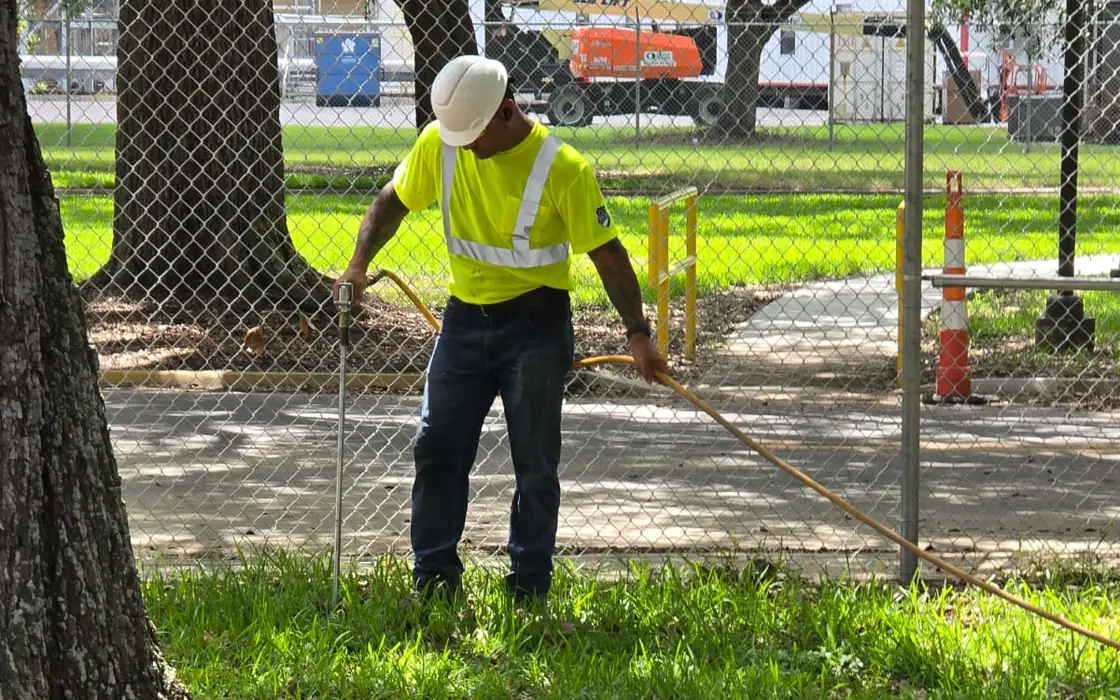
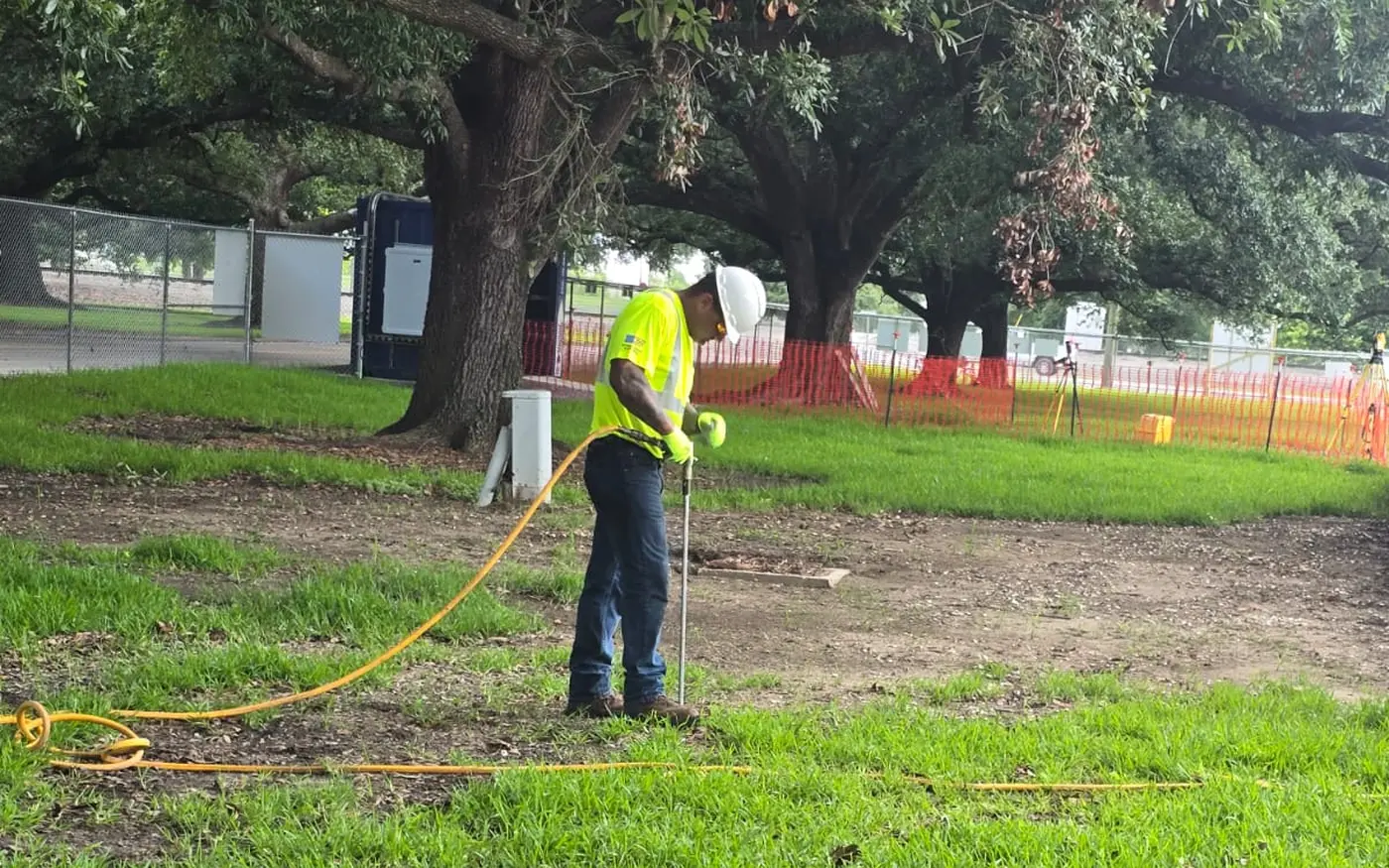
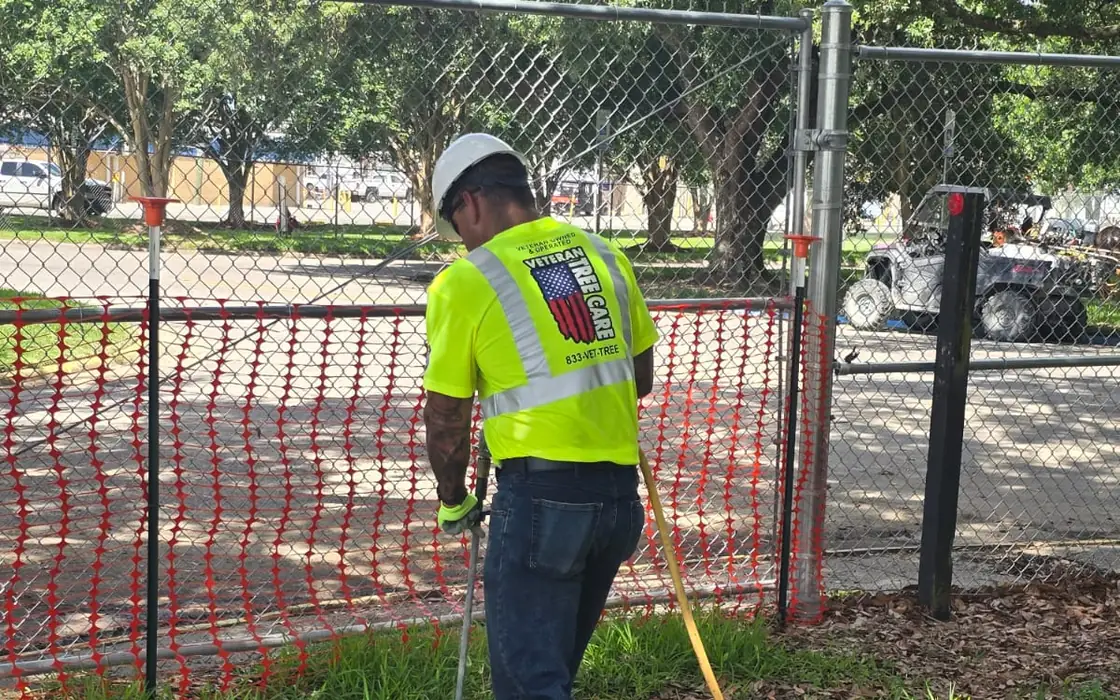
Veteran Tree Care crew member working the root zone of large oaks inside a fenced work zone
Representative photo Our crew on another job, not this client’s site

Past performanceConstruction & infrastructure

Louisiana civil construction contractor

Barriere Construction

On a construction schedule, trees are either protected, cleared or managed, and each decision needs an arborist, documentation and a crew that shows up when the schedule says.

  1. 01Tree protection zones and root management
  2. 02Clearing and removals on active job sites
  3. 03Roadside and right-of-way work with traffic control
  4. 04Documentation for the project team

Typical construction & infrastructure scope

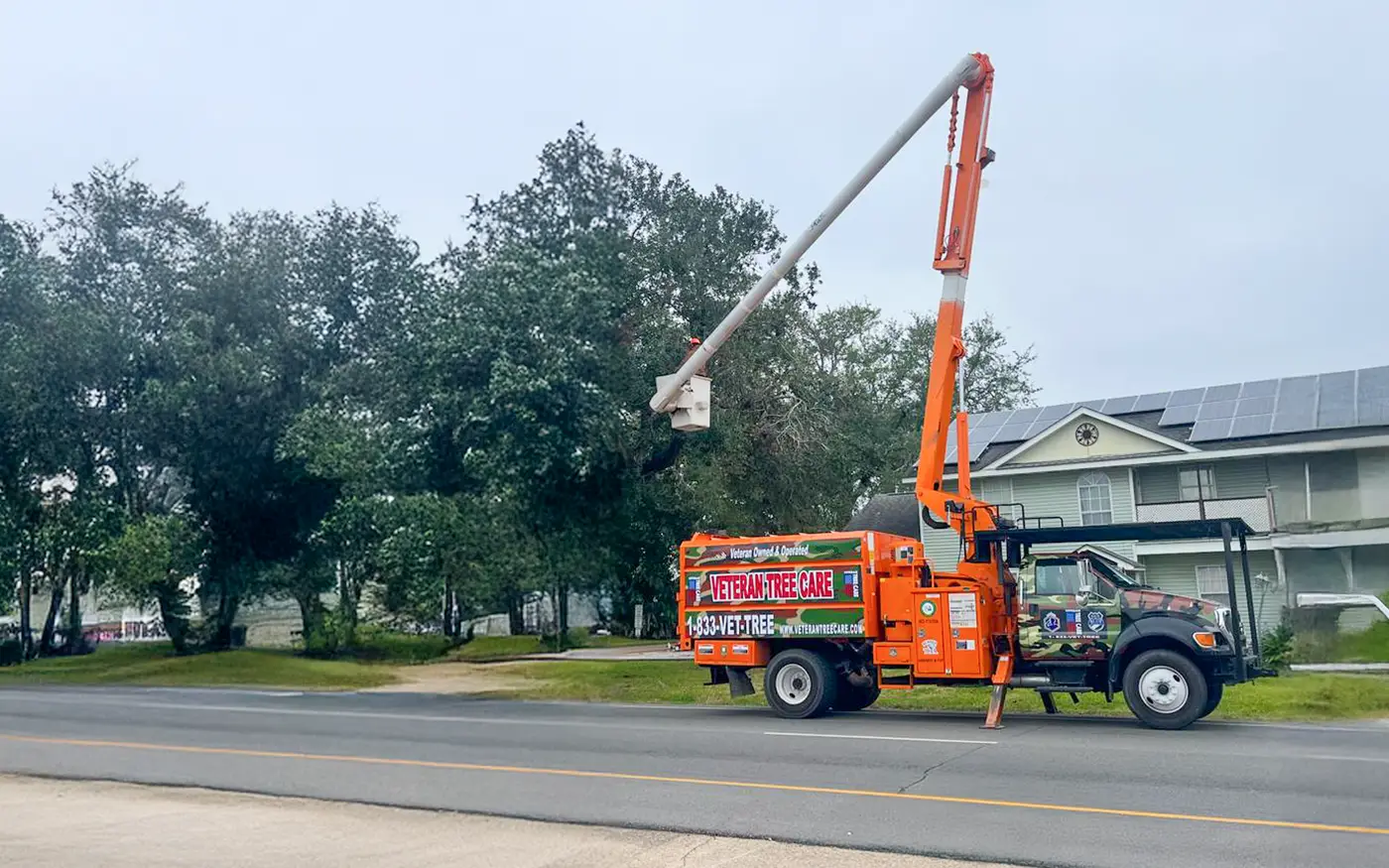
Veteran Tree Care bucket truck working at a roadside job
Representative photo Our crew on another job, not this client’s site

How we work on site

Preservation on the Job Site.

Three situations we’re called into on construction and commercial sites, and how we handle them. These are typical scenarios, not specific client stories. For documented jobs, see our projects.

Veteran Tree Care crew member using an air spade inside an orange-fenced tree protection zone
Typical scenario · Construction

A live oak beside a new foundation

Problem
The site plan puts a new building a few yards from a mature live oak. The owner wants the tree kept, and the schedule can’t slip.
Assessment
We map the critical root zone, then run an air spade along the planned excavation line to find the major roots without cutting a single one.
Reasoning
Most construction damage happens underground: severed roots, compacted soil and changed grades. The roots have to be found before the excavator finds them.
Work performed
A fenced tree protection zone, clean root pruning only where the foundation crosses, arborist chips over the root zone and a soil program to regrow roots, with an inspection at each construction phase.
Result
The oak stays, the building goes up on schedule, and the project team has a written tree protection plan for its file.
Methodology
ANSI A300 Part 5 (trees during site development and construction) · Air-spade root investigation
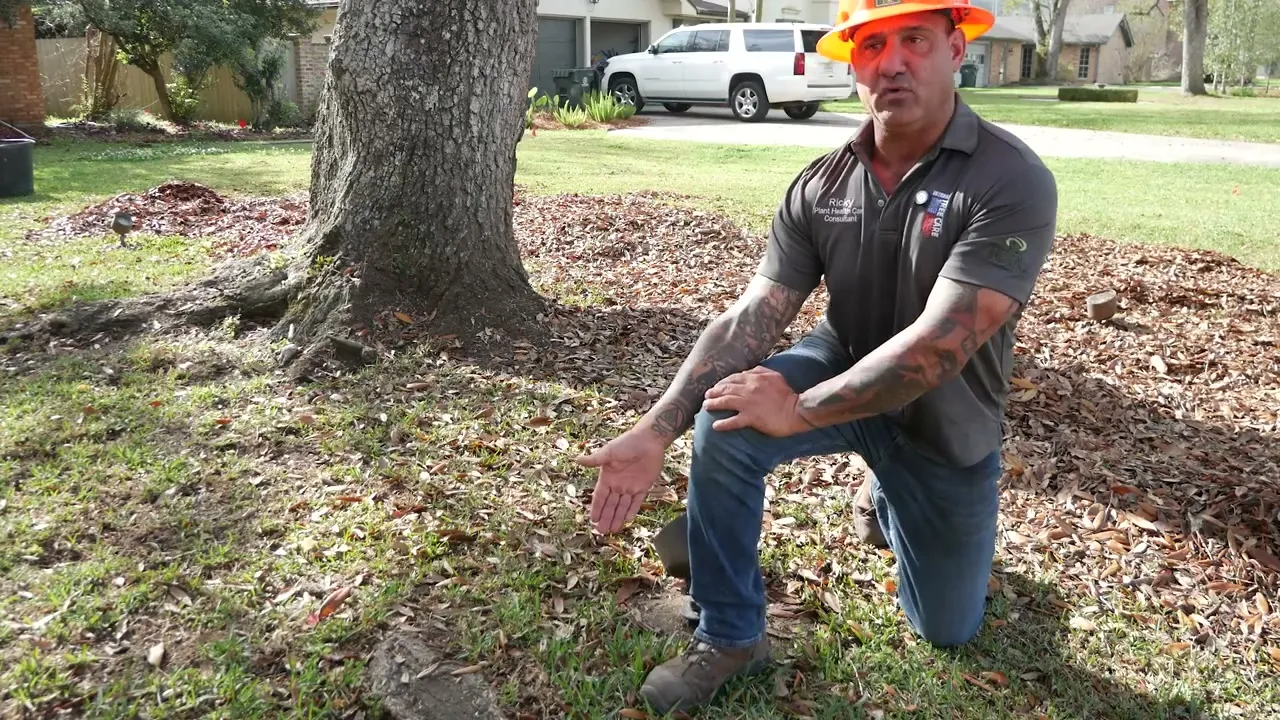
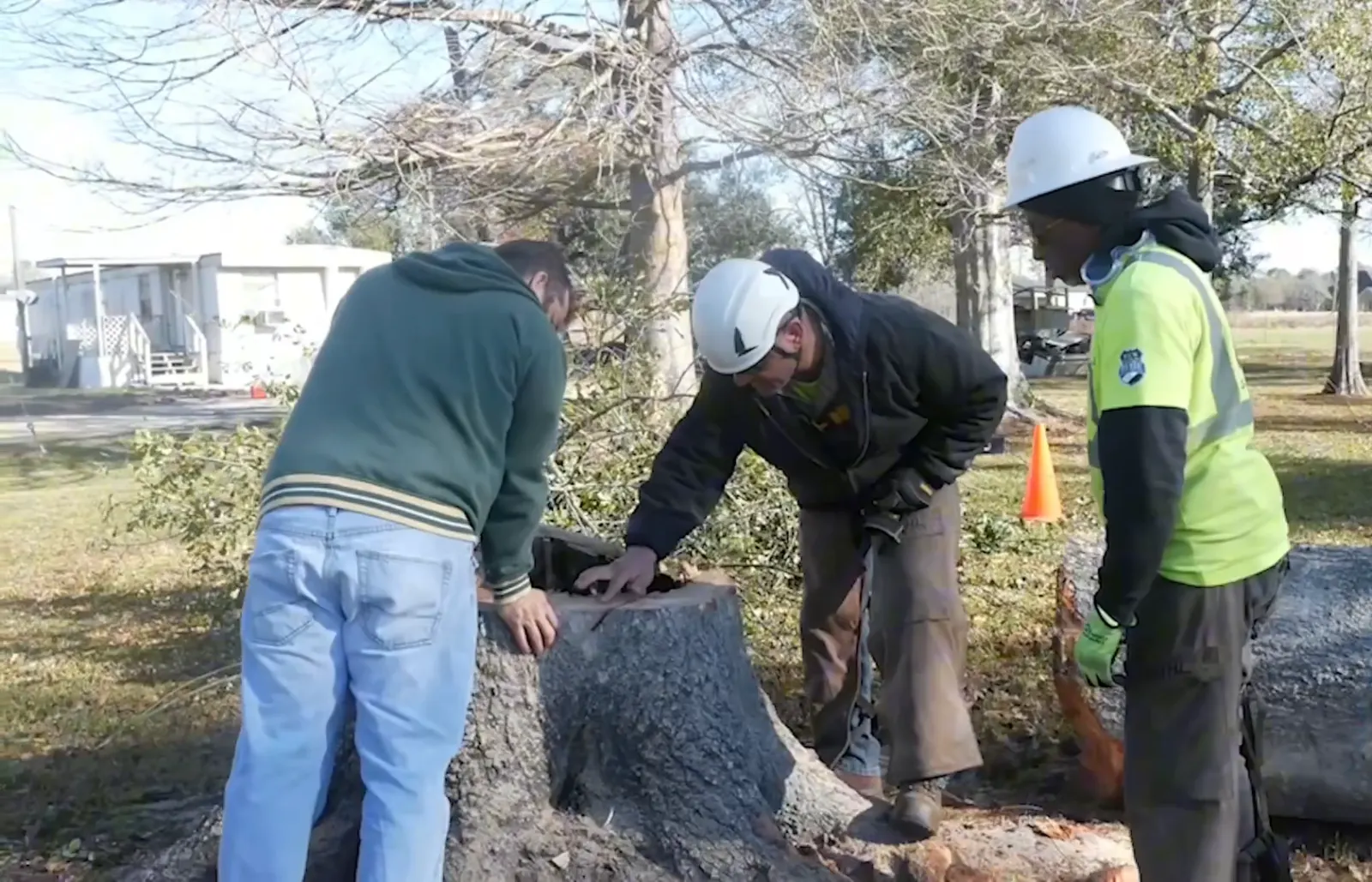
Arborist working in a wood-chip root zone around a tree
Typical scenario · Relocation

Moving a tree instead of losing it

Problem
A healthy young oak stands where a parking expansion has to go. Removal is the easy answer.
Assessment
We check the species, size, health and access for equipment. Not every tree can survive a move, and we say so up front.
Reasoning
A tree lives through a move on the roots it takes with it. Pruning roots in stages beforehand grows a dense, compact root ball.
Work performed
Staged root pruning ahead of the move, relocation in the cooler months with the root ball intact, then deep watering, arborist chips and soil biology at the new spot.
Result
The tree keeps growing on the same property, with check-ins through its first two summers, when transplanted trees are most at risk.
Methodology
Root pruning · Transplanting · Establishment aftercare
Veteran Tree Care crew member working the root zone of a large oak inside a fenced work area
Typical scenario · Industrial site

Mature trees inside an operating facility

Problem
Old trees on a working site are thinning and showing fungal problems, surrounded by traffic, paving and ongoing construction.
Assessment
We look for the stress behind the symptoms: compacted soil, buried root flares, grade and drainage changes, and what the site’s own operations add.
Reasoning
Treatment only holds if the stress is controlled. A one-time spray won’t do it. A program will.
Work performed
Tree and soil injections, root-flare excavation, whole-tree arborist chips and scheduled inspections, all run to the site’s safety rules.
Result
A monitored preservation program, with written reports the facility team can act on.
Methodology
Plant health care · Construction-impact mitigation · Ongoing monitoring
See a documented example from Houma
Crew assessing a tree on site
Arborist-led crews

Experience

Trees on a Project Are a Liability Until Someone Qualified Says Otherwise.

Our arborists have supported work involving DOTD infrastructure projects, military installations, industrial facilities, municipalities, contractors and private properties.

We bring the documentation, safety requirements and coordination these sites demand, along with the arboricultural judgment to know which trees can stay.

What’s included

What We Deliver on Every Commercial Job.

The things a facility manager, general contractor or procurement officer needs to see before trusting a tree crew on their site.

  1. 01

    Professional documentation

    Findings, photos and recommendations for your team, inspectors and records.

  2. 02

    Safety requirements

    Crews trained to ANSI Z133 and led by a TCIA Certified Treecare Safety Professional.

  3. 03

    Project coordination

    One point of contact for scheduling, site rules and other trades.

  4. 04

    Risk assessments

    Level 1, 2 and 3 tree risk assessments for sites and portfolios.

  5. 05

    Tree-protection planning

    Protection zones, root management and construction-impact mitigation.

  6. 06

    Ongoing monitoring

    Follow-up inspections during and after construction.

CAGE code
106R1
NAICS
561730 · 115310
Insurance
Workers’ comp & general liability · COI on request
Safety
ANSI Z133 · TCIA CTSP-led
Lead arborist
ISA Board Certified Master Arborist

Request capability statement & references

How it works

How Commercial Projects Work.

  1. 01

    Scope

    We review the site, the project and your requirements.

  2. 02

    Assess & plan

    Arborist findings, a protection or removal plan, and a safety plan.

  3. 03

    Execute & document

    Coordinated crews, clean sites and documentation at every stage.

U.S. Army Veteran badge Veterans Veteran Owned / Veteran Led

Qualified to do it right

The Credentials Behind This Work

ISA Board Certified Master Arborist ISA Certified Arborist ISA Qualifications
How to verify our credentials
  • ISA Tree Risk Assessment QualificationTraining in the ISA method for Level 1, 2 and 3 tree risk assessment.
  • ISA Board Certified Master Arborist®The ISA’s highest credential, covering diagnosis, risk and management.
  • Tree & Plant Appraisal trainingFor insurance, construction-damage and valuation questions.
  • Louisiana Licensed ArboristLicensed by the Louisiana Department of Agriculture & Forestry.

As Featured In

FAQ

Questions.

Can’t find your answer? Call 985-688-4041 or see all FAQs.

Can you provide a certificate of insurance?

Yes. Veteran Tree Care carries workers’ compensation and general liability insurance. Certificates are available on request.

Do you work on construction sites?

Yes. We provide tree-protection planning, construction-impact mitigation and land and construction-related removals.

Do you provide utility line clearance?

Not as a company service. Trees on main utility lines must be cleared by the utility or its contractors.

Get started

Preserving Trees. Protecting Properties. Continuing the Mission.